


More Than a Decade Ahead
More than ten years ago, before home fitness became an established part of everyday life, we asked a fundamental question:
Why does equipment made for the home still look as though it belongs in a professional gym?
Fitness equipment supports our health and well-being, yet most products continue to speak the visual language of sports studios. In carefully designed living environments, they often feel like foreign objects - useful when needed, but hidden away when not in use.
With MIRA, TERA, VELA, OREA and NOVA, we explored a different future for home training: one in which fitness products combine functional performance with an aesthetic presence strong enough to become part of the home.
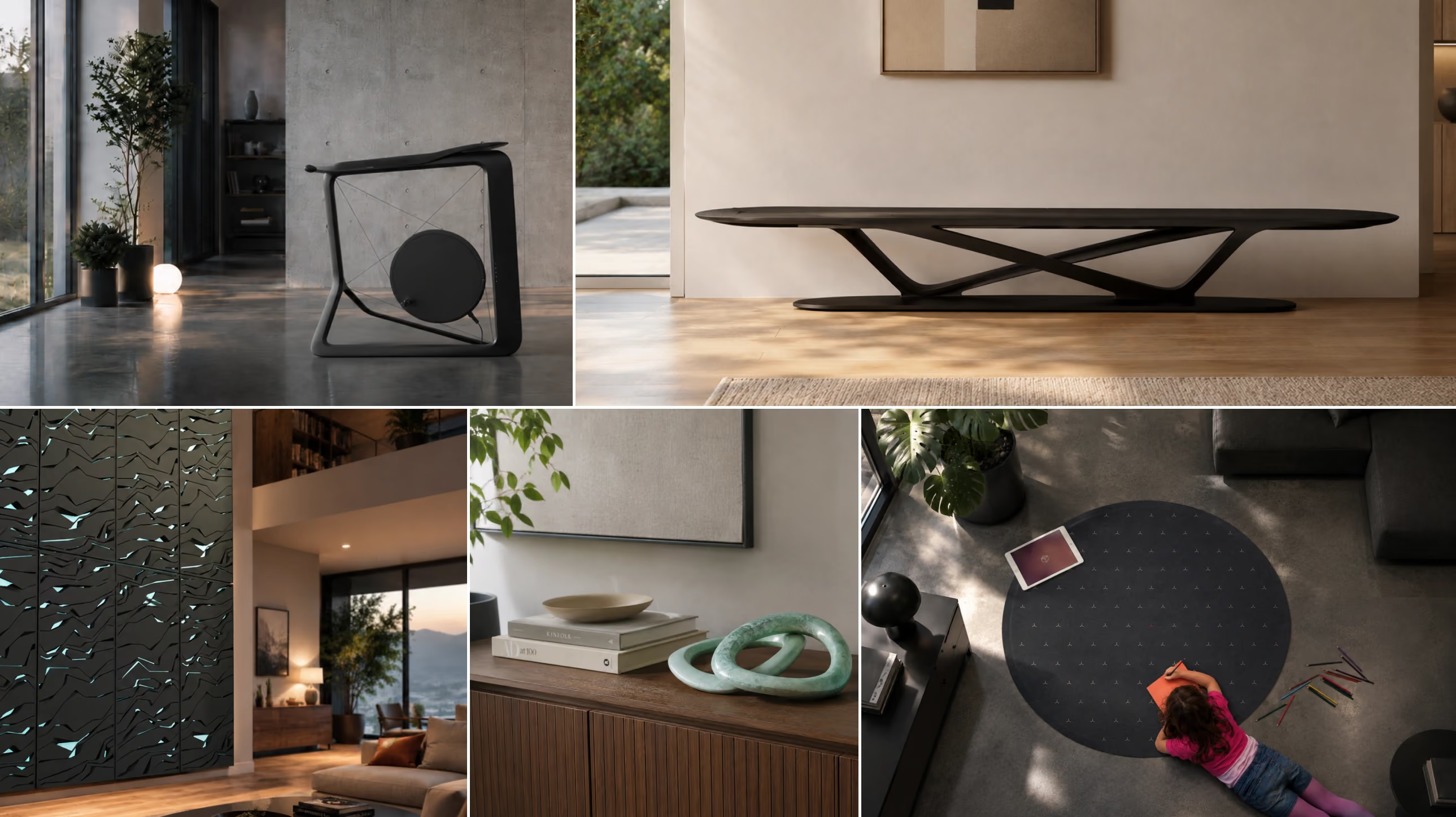
Each concept approached this vision from a different perspective.
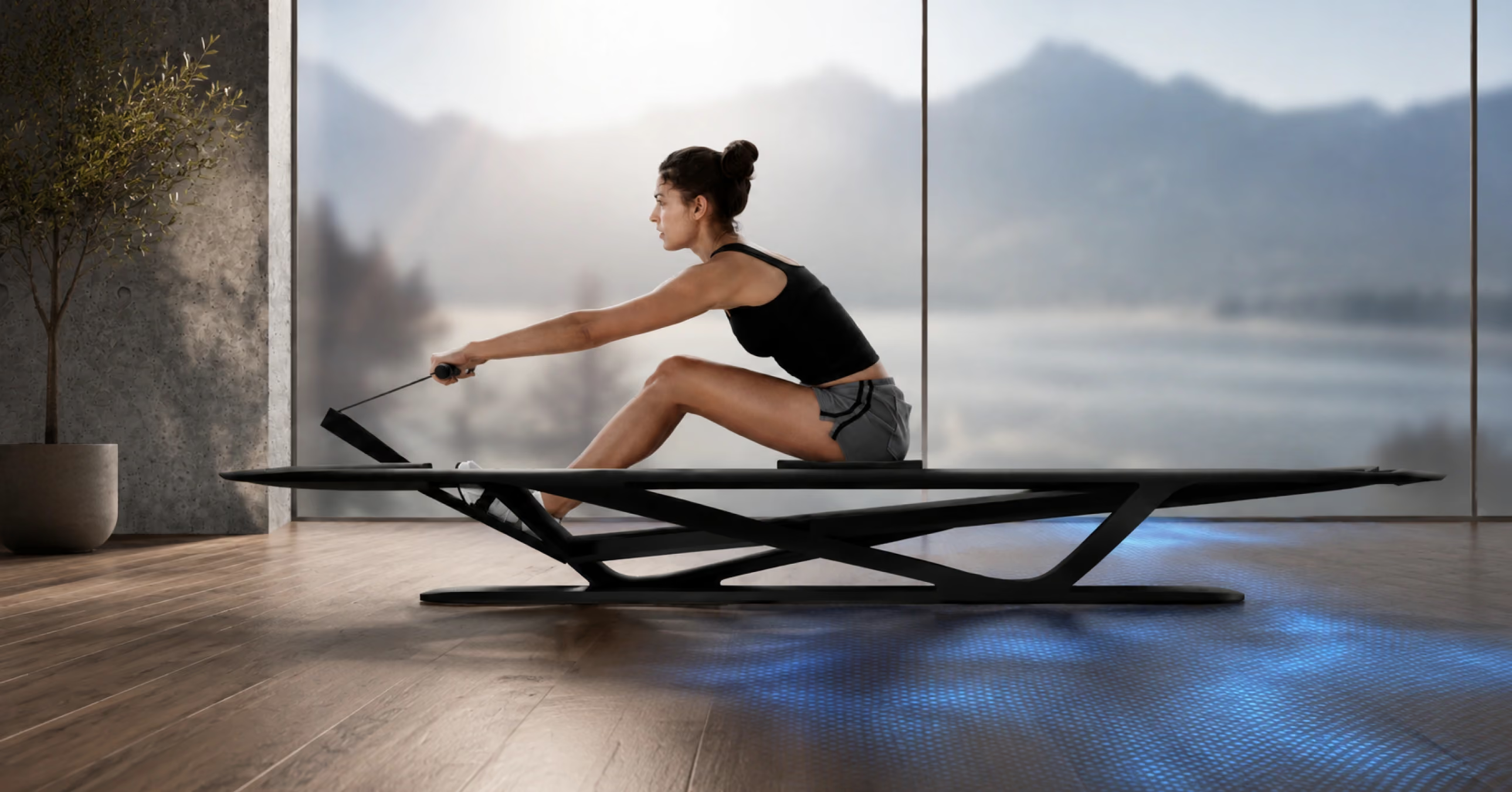
MIRA transforms the rowing machine into an elegant bench. When not in use, it functions as a piece of furniture; for training, it unfolds into a rowing experience accompanied by light projections inspired by the movement of water.
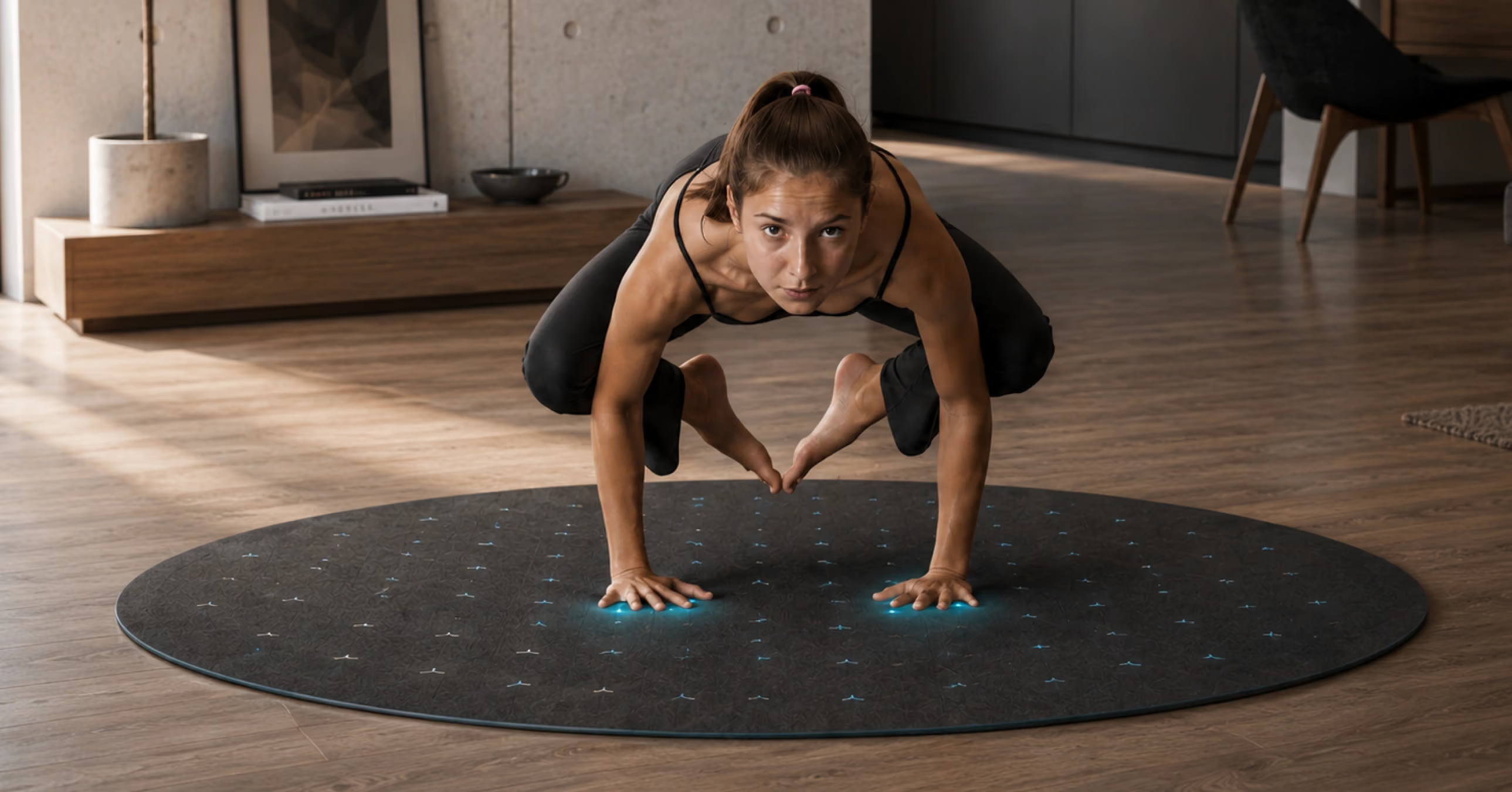
TERA combines an elegant carpet with an intelligent fitness surface. It integrates technology recognized movement and enables personalized yoga workouts, while the product blends naturally into the interior when not in use.
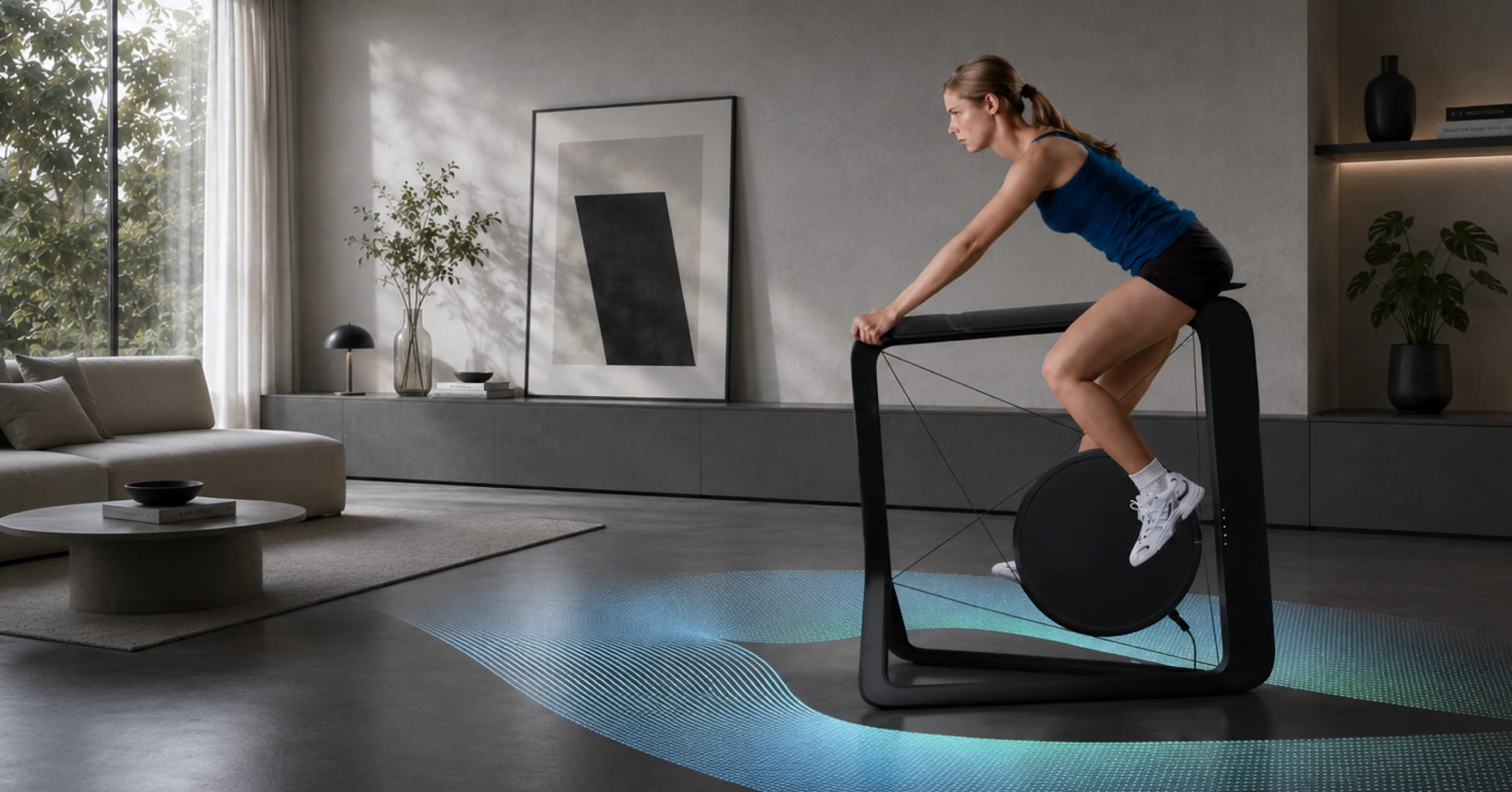
VELA transforms the cycle trainer into a functional sculpture. Its minimal, avant-garde form is designed to be displayed rather than stored away, while immersive projections create a more atmospheric training experience.
Today, VELA is exhibited at Die Neue Sammlung, The Design Museum in the Pinakothek der Moderne in Munich.
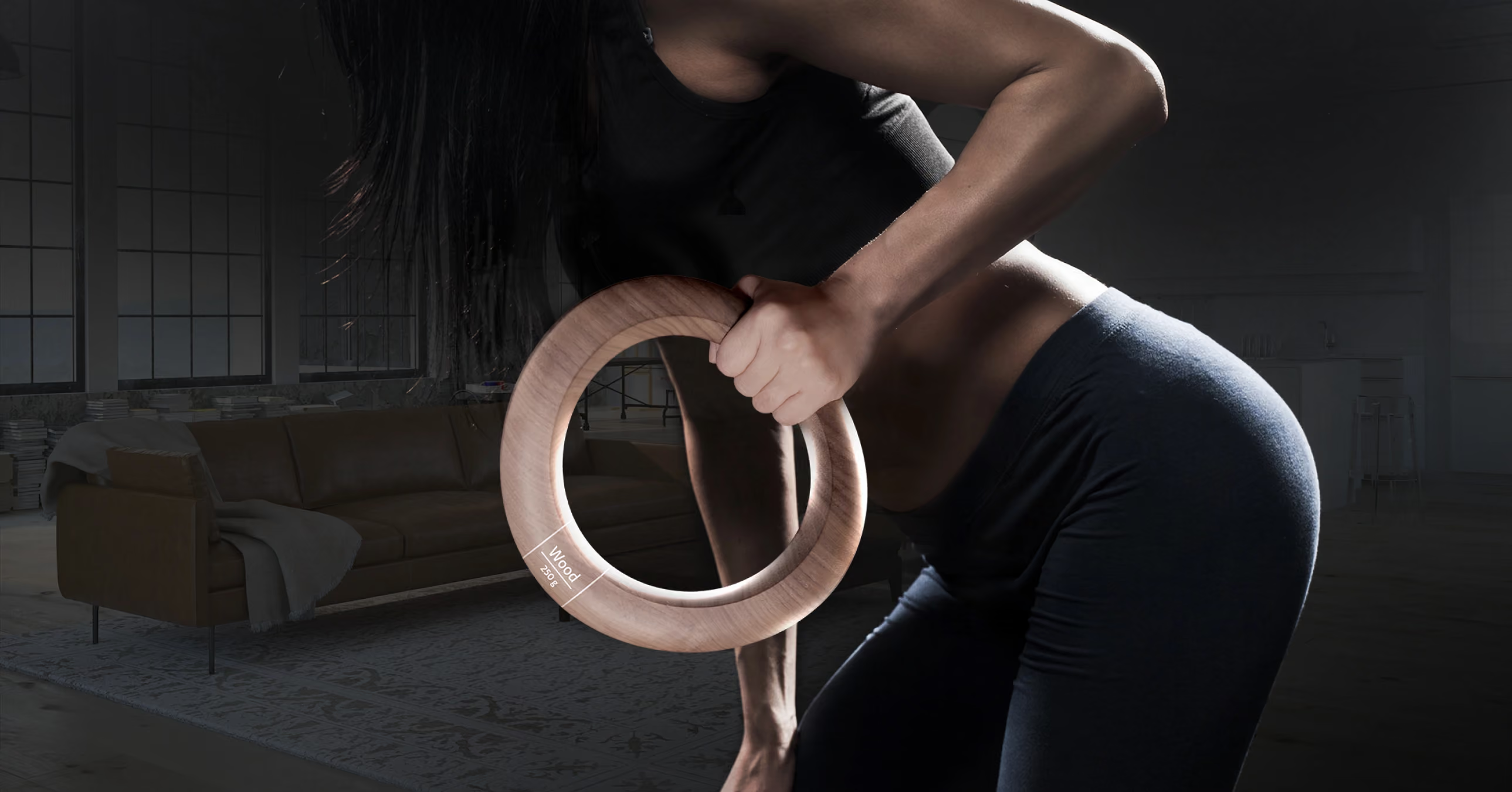
OREA reinterprets traditional training weights as tactile design objects. Its sculptural ring form enables different grips and exercises, while a range of materials creates different weights and functions without changing the product’s visual identity.
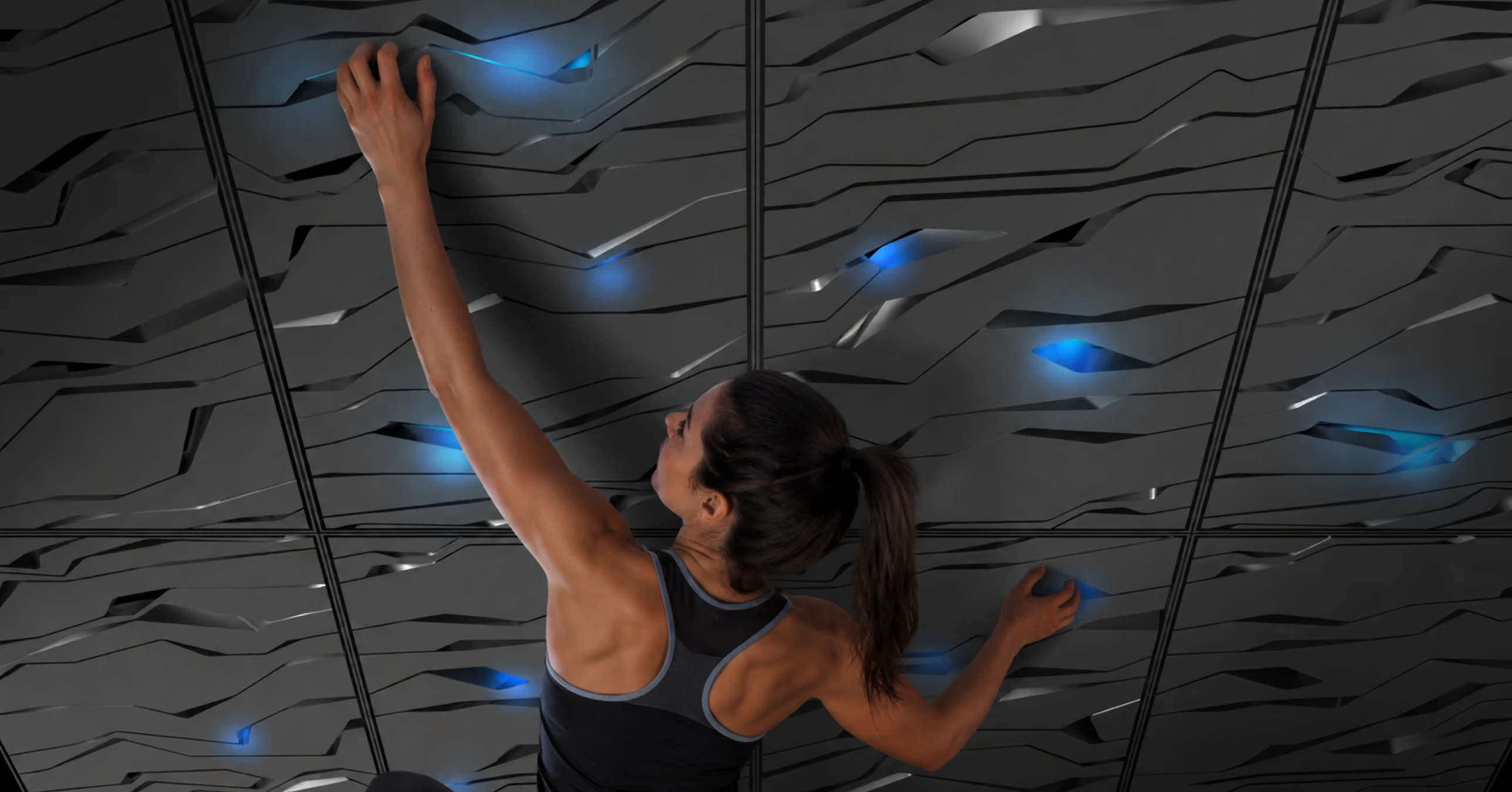
NOVA turns a personal climbing wall into an interactive architectural feature. Patterned panels replace conventional climbing holds, while illuminated routes create changing training experiences and atmospheric light within the room.
Together, the five concepts share a distinctive, sculptural design language and one vision: fitness products should combine functional performance with an aesthetic presence strong enough to belong in our homes.
Developed more than a decade ago, these concepts anticipated a shift that has since become part of everyday life: the merging of living, well-being, and exercise within the home.
What began with this initiative continues to shape how we think about the future of health and well-being today. We are still exploring how technology, human needs, and changing lifestyles can come together to create new solutions for physical fitness, mental well-being, and healthier everyday experiences.
Are you currently exploring new ideas at the intersection of health, fitness, well-being, and technology?
Let’s connect and shape what comes next.
Subscribe to our newsletter!

Copyright © FLUID Design GmbH — All rights reserved.